T/Sgt
Melbourne R. STEINHAUER
Assigned to the 100th Bombardment Group
Location:
Unit: 418th Bombardment Squadron
Rank:
Position: Ground personnel
Additional 100th Service Notes
Status: DUR
Comments: 418TH ARMOURER/TURRETS
Comments and Notes
Memo 1:
----- Original Message -----

From: MPFaley@aol.com

To: msteinjr@msn.com

Sent: Monday, December 05, 2005 4:47 PM

Subject: Re: 100th Bomb Group TAPS Report Form


In a message dated 12/5/2005 6:02:33 AM Pacific Standard Time, msteinjr@msn.com writes:

Below is the result of your feedback form.  It was submitted by

Mel R. Steinhauer Jr. (msteinjr@msn.com) on Monday, December 05, 2005 at 08:02:09

---------------------------------------------------------------------------


subject: 100th Bomb Group TAPS Report Form


email: msteinjr@msn.com


realname: Mel R. Steinhauer Jr.


Relationship: I am the veteran's child


vet_name: Mel R. steinhauer Sr.


Vet_died: 28-011-2005


family_contact: Mel R. Steinhauer Jr.

306 War Horse Place

Crestview Hills, KY 41017

859-331-5561


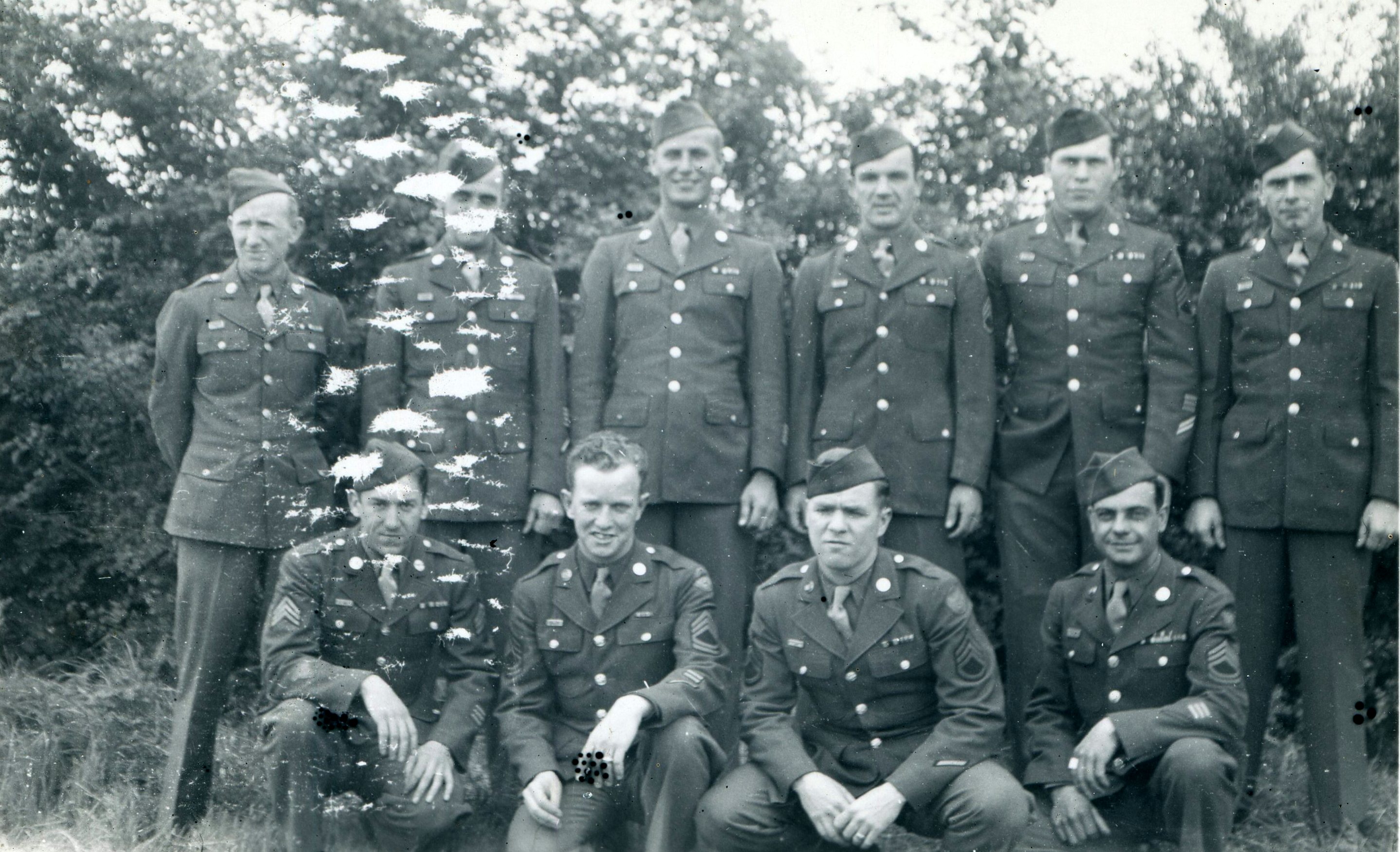
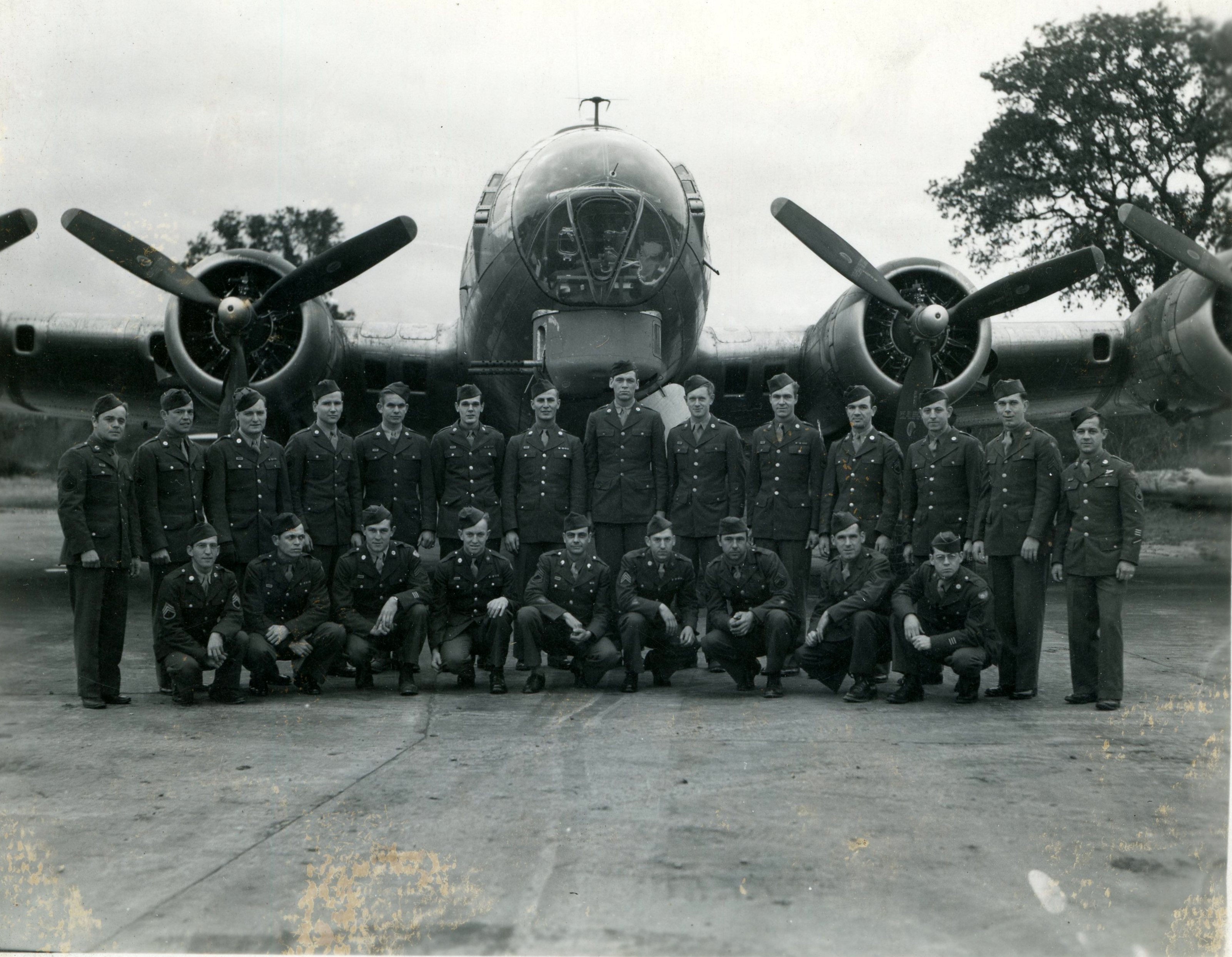
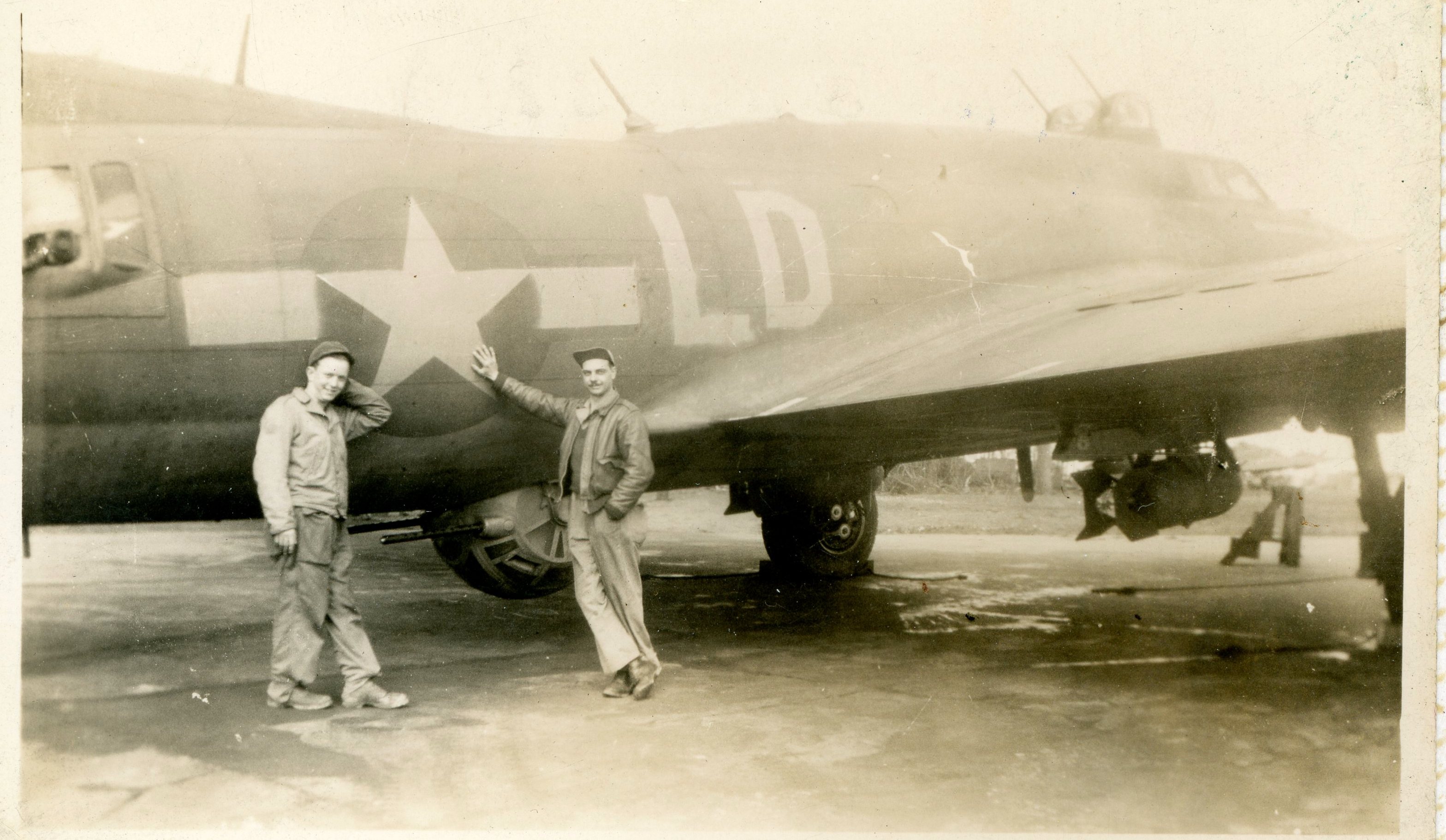
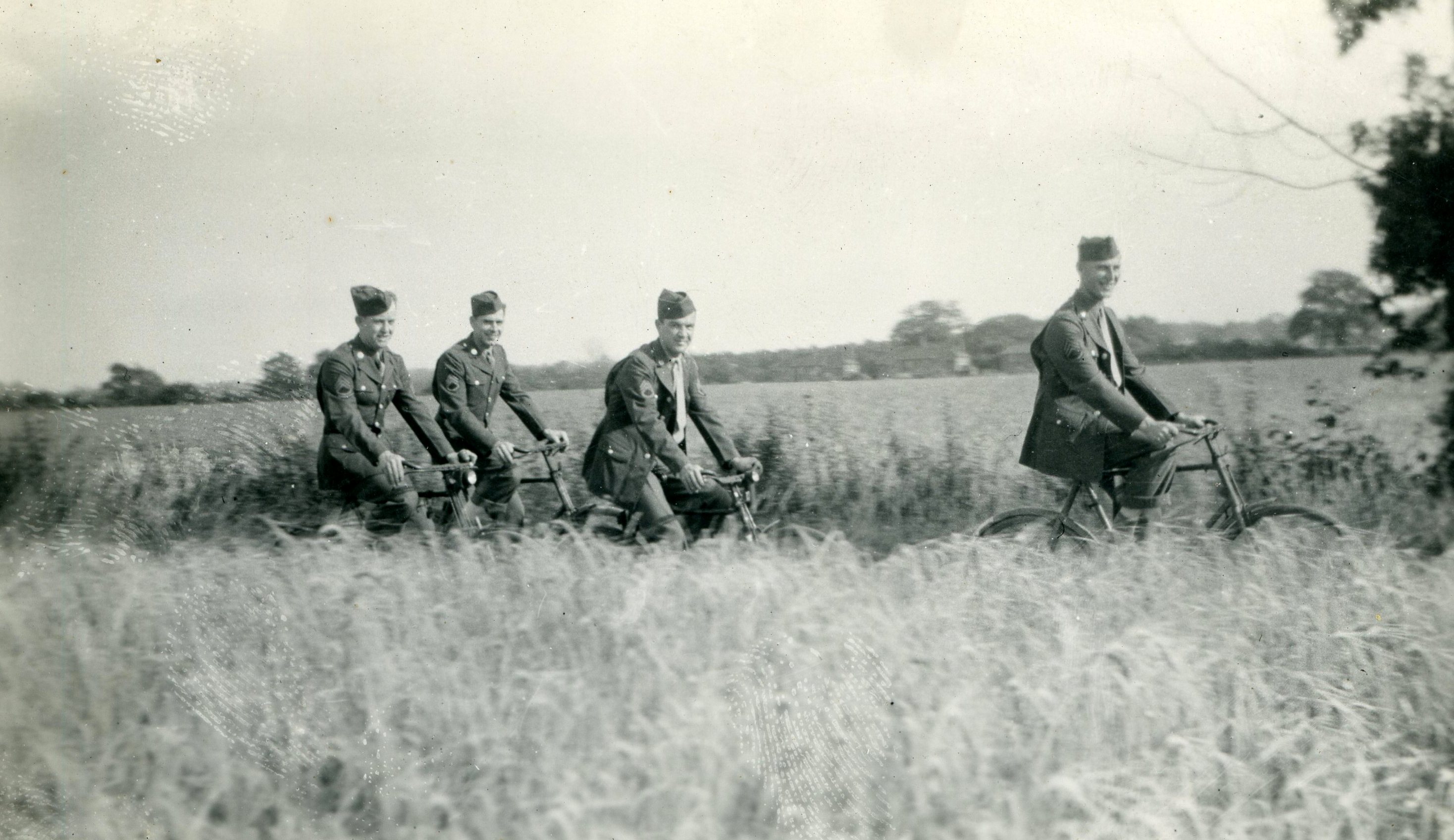
comments: Mel served with the 100th at Thorpe Abbotts from November 1,1943, to August 6, 1945. He was a Tech Sergeant with the 418th Squadron, as a ground crew mechanic. Although he did many things to maintain and repair damaged planes, he specialized in work on the machine gun turrets. At the 300th Mission Party, he met with Gen. Jimmy Doolittle, and obtained his autograph on an English Pound note, which he was very proud to have for the rest of his life. He was able to return to England and the reunions at Thorpe Abbotts, twice since 1985; and I was fortunate to be there with him in 1990. He enlisted in the Army on January 8, 1942, with two brothers and two cousins. Mel and his two brothers survived the war, but his two cousins did not. He was buried in Southgate, Kentucky on December 3, with Military Honors.


All;


This will be such an honor, to have Dad's information listed on the 100th's Web Site. Although he was not able to be an active member in recent years, he read every issue of the Splasher Six, and often talked fondly of his experiences at Thorpe Abbotts to our family, and people he met.


Dad always wore his 100th Bomb Group baseball hat, so we placed it with him inside his casket.


Thanks so much,


Mel Steinhauer Jr.


Mike,


My scanner does not work well to produce quality photos, so I will have to get some done and placed on a CD that I could send to you. I am not yet retired, and am still working long hours, so my free time is somewhat limited. I will try to get some done, and sent to you early next year.


I do recall some stories my Dad often told us, so here is one that I believe is very significant.


Although he did not have any photos or supporting documents for this story, it sounds quite logical and I have no reason to doubt it is true:


Dad told us that the B17s developed mechanical failures with the gun Turrets " locking up " on some planes during missions at high altitudes. This of course could be very dangerous during attacks by German fighter planes. Planes that had this problem, were inspected by the ground crews upon their return to Thorpe Abbotts. It was determined that the grease used to reduce friction and wear of the ring gear that rotated the turret, would actually freeze due to the below zero temperatures at high altitudes. The mechanics experimented with different types of grease and lubricants by trial and error, but were not successful in finding a type that would not freeze and cause the turret to lock.


Dad specialized on turret maintenance and repair, and made the recommendation that they simply remove the grease from the ring gears, and not use any type of grease to reduce the friction and wear of metal against metal. This was quite controversial, as some stated this would cause the gears to wear out and fail. But then it was realized that the number of planes being lost due to combat actions, other mechanical failures or accidents, meant that the ring gear of the turrets would probably last longer than the plane itself.


The practice of removing and not using gear grease in the turrets was implemented. This resulted in the gun turrets not " locking up " on missions at high altitudes due to the freezing of the gear grease. Of course, other mechanical failures or combat damage could cause the turrets to lock, but this grease problem was eliminated quite easily and quickly. I would think that this practice most probably resulted in preventing some of our bombers from being shot down by enemy fighters, thus saving the lives of 100th crew men in the air.


Perhaps, some crew chiefs or turret gunners could remember this, to help substantiate this story.


Mel Steinhauer Jr.