S/Sgt
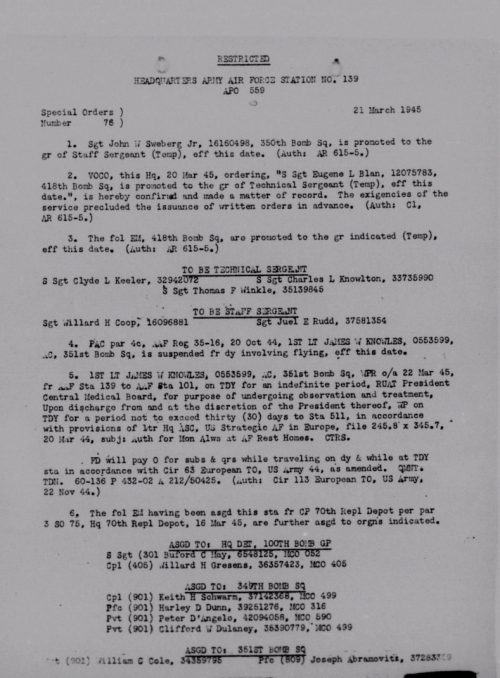
Willard H. COOP
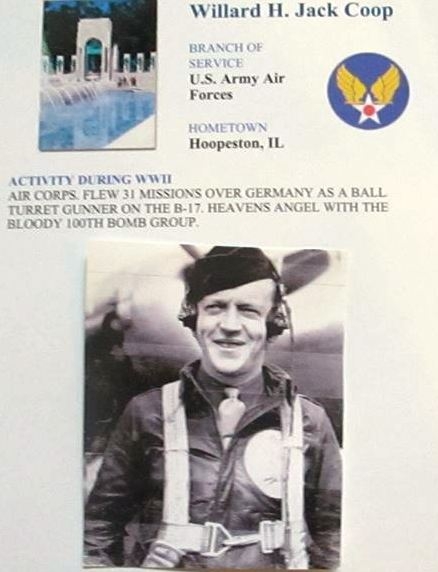
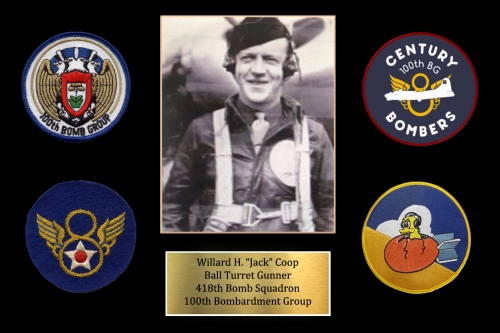
Assigned to the 100th Bombardment Group
Location:
Unit: 418th Bombardment Squadron
Rank:
Position: Ball Turret Gunner
Additional 100th Service Notes
Status: FEH
Comments: HOOPESTON, IL
Comments and Notes
Memo 1:
CREW


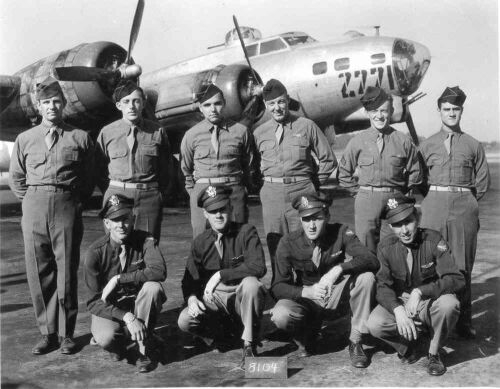
2ND LT ROBERT E. EVANS                P FEH

2ND LT ROBERT J. BRATTON           CP FEH

2ND LT BILLIE McMILLIN                  NAV FEH

2ND LT STEPHEN T. ZAKRZEWSKI  BOM FEH

S/SGT ROBERT A. MERRILL            ROG FEH

CPL REGINALD V. BULLIS               TTE FEH

CPL WILLARD H. COOP                   BTG FEH

CPL ROBERT R. PARSONS              WG FEH

CPL JUEL E. RUDD                          TG FEH


418TH SQDN.. Crew, as above, joined the 100th on 08 Jan 1945


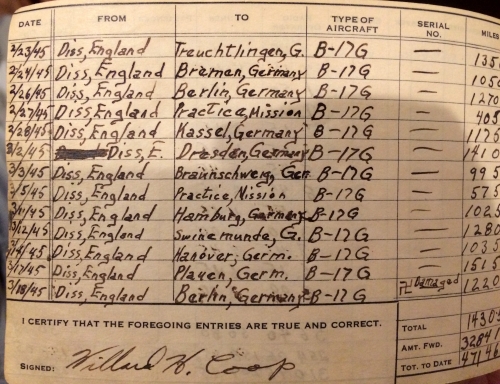
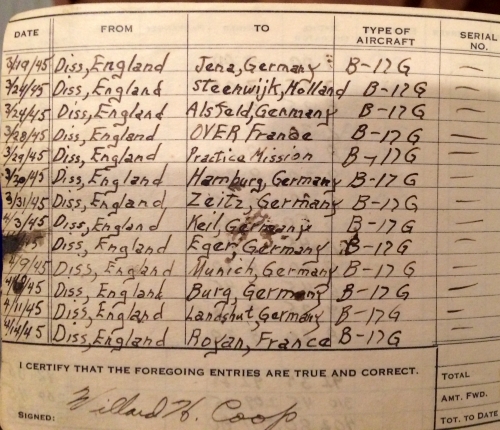
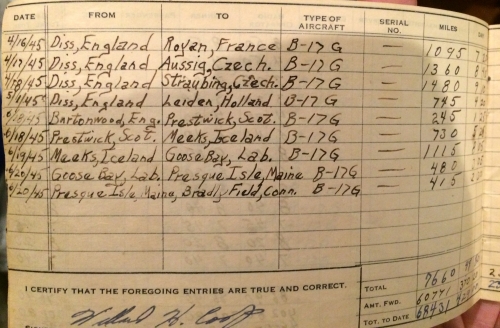
Mission List of Lt Robert Evans Crew (per Willard H. "Jack" Coop)


1.      28/01/1945   DUISBURG, BRIDGE

2.      06/02/1945   CHEMNITZ,(S.T) (Belly landed in Belgium advanced emergency AF)

                                                               Crew stayed in Belgium for 3 days

         10/02/1945     PRACTICE MISSION

3.      14/02/1945     DOUBRAVA, BRIDGE (100TH "C")

4.      17/02/1945     FRANKFURT

5.      22/02/1945     HUEINGEN, TOWN (100TH "B" )S.T.

6.      23/02/1945     TREUCHTLINGEN, RAIL JUNCTION

7.      24/02/1945     BREMEN

8.      26/02/1945     BERLIN

         27/02/1945     PRACTICE MISSION

9.      28/02/1945    KASSEL

10.    02/03/1945    DRESDEN

11.    03/03/1945    BRUNSWICK

12.    11/03/1945    HAMBURG, OIL REFINERY

13.    12/03/1945    SWINEMUNDE, DOCKS

14.     14/03/1945   HANOVER

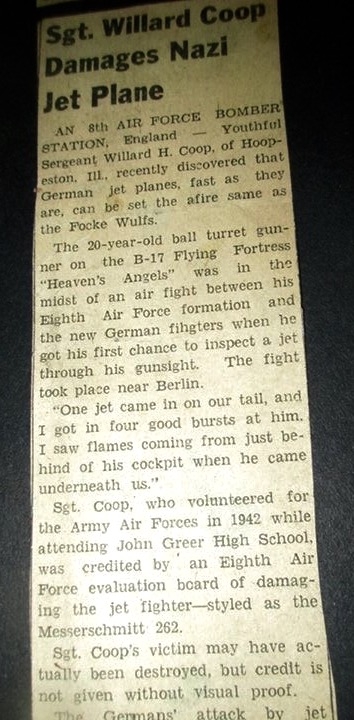
15.     17/03/1945   PLAUEN , ST- HIT ME262 AND SET FIRE BEHIND COCKPIT

16.     18/03/1945   BERLIN

17.     19/03/1945   JENA

18.     24/03/1945   STEENWIJK/HAVELTE AIRFIELD

19.     24/03/1945   ZIEGENHAIN, AIRFIELD

           28/03/1945   HANOVER, TANK FACTORY  (ABORTED)

20.      30/03/1945   HAMBURG, SHIP YARDS

21.      31/03/1945   ZEITZ, OIL REFINERY(100TH B, C & D)

22.      03/04/1945   KIEL, SUB YARDS

23.      08/04/1945   EGER, MY (CZECH)

24.      09/04/1945   MUNICH/REIM, AF

25.      10/04/1945    BURG-bei-MAGDEBURG, AF

26.      11/04/1945    LANDSHUT, ORD DEPOT;INGOLSTADT, MY

27.      14/04/1945    ROYAN-  Willard H. Coop 21st Birthday

28.      16/04/1945    ROYAN/POINT DE-GRAVE GND DEFENSES

29.      17/04/1945   AUSSIG, MY

30.      18/04/1945   STRAUBING, MY (S.T)

            01/05/1945   CHOWHOUND- VALKENBURG, HAGUE-


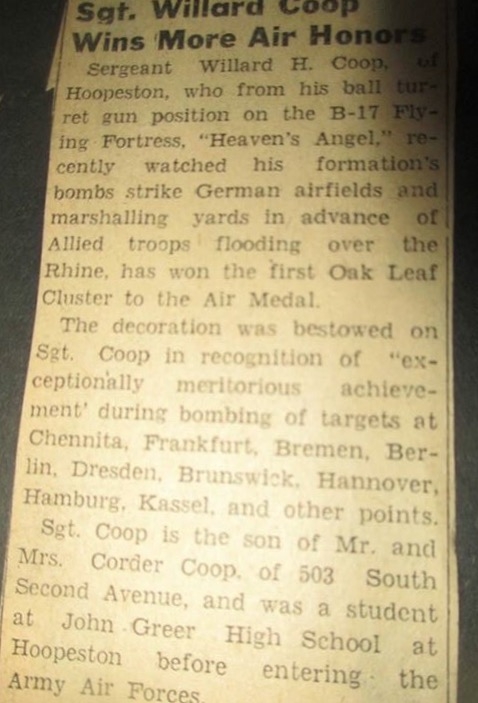
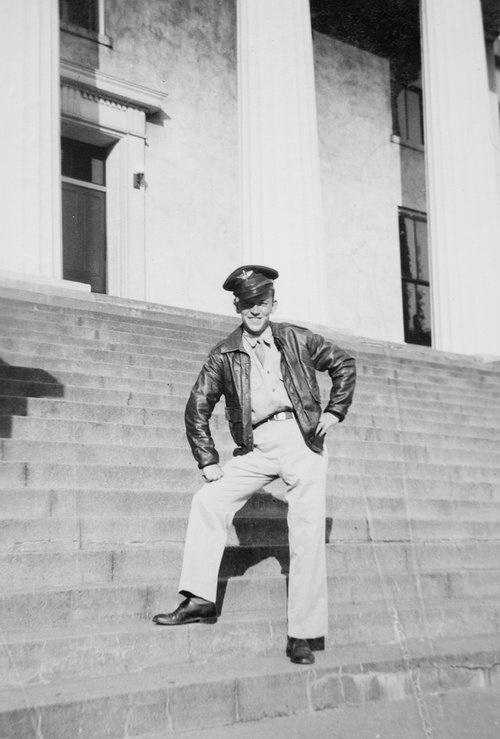
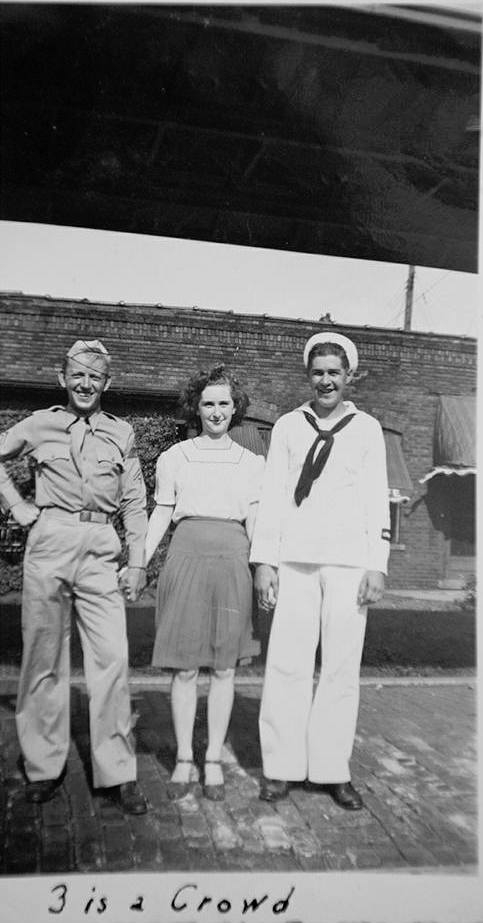
     Good evening friends! We would like to share the incredible story of World War Two combat veteran, Willard H. "Jack" Coop,  who was a B-17 Ball Turret Gunner in the 100th Bomb Group's 418th Squadron flying 30 missions over Europe from January of 1945 until May 1945...


"I was born April 14, 1924 near Dale Hollow Lake Cumberland County, Kentucky. I don’t remember any part of that because my parents moved to Hoopeston, Illinois when I was 5 months old and that’s where I grew up and went through grade school and high school. As a kid I did the normal things, I played with my friends.  We didn’t have our heads stuck down in our cell phones like kids do these days, we didn’t have television, we had barely just gotten radio.  I remember tuning into the radio and you had to get down close to hear what they were saying.  I remember my family listened to the Jack Dempsey and Gene Tunney fight in 1927.  Dad would sit with his ear right next to the speaker and tell everyone what the announcer was saying about the fight.  When I was 5 years old, I got scarlet fever and my mother and I were quarantined in the house.  To keep his job as a janitor at the local high school, my dad set up a cot in the boiler room and stayed there.  He would come to the door at our house and my mother would tell him what kind of groceries were needed, he couldn’t come inside.  Then he would go buy the groceries and come back and set them on the porch and leave.  When he left, mom would go out and bring everything inside. I remember all of my teachers names.  They were all women and couldn’t be married and the principal was the only man.


During the depression and dust bowl, my mother would hang clothes out on the line to dry and when she would go out to get them, they would still be dirty because of all of the dust.  The dust was in the air all of the time.  She would have to rewash the clothes and try and hang them inside the house so they would stay half way clean.  The street outside of our house was brick and the WPA was out redoing the street, they would dig the bricks up and flip them and place them back down.  There would be 10 men working and 10 watching and then they would switch and take brakes.  Jean Hixson lived across the street from me and I was a year and a half younger than her and her brother was younger than me.  We would all play together and build model airplanes.  Jean went on to serve as a WASP in World War Two and then later became the second woman to break the sound barrier in a flight over Lake Erie!


On December 7, 1941, I remember I was out hunting in the woods with a kid my age, his dad and another man.  We got back in the car to go to another field to hunt and they turned the radio on and we heard the announcement that the Japanese had attacked Pearl Harbor.  That didn’t even mean a thing to us because we had no idea where Pearl Harbor was! When I found out where Pearl Harbor was, I felt a lot different, yes, I was angry.


The next year, I was a senior in high school and myself and a friend of mine went down to Danville, Illinois and enlisted in the Marines and they sent us to Chicago to an examining station.  We were taking the physical and they accepted him, but didn’t accept me because they said I had a bad heart, a leakage of the heart.  So I went back home and waited around 2 weeks.  I couldn’t stand it anymore, I had to do something, so I went back down and enlisted in the regular Army and they sent me back to the same examining station in Chicago, to the same doctors and they couldn’t find anything wrong with me! I told them, “Two weeks ago, you said I had a bad heart!”  They said, “Did you have breakfast that morning?” I couldn’t remember if I had or not and they said, “Well your stomach was probably making noises.”  That’s what they heard. Stethoscopes were not very good back then.  I was placed in field artillery and went through basic training with the field artillery unit.  After that I was sent to a tank destroyer outfit at Camp Bowie in Texas. Following that, I ended up taking a troop train to Fort Knox, Kentucky.  At that time, they had the cadet program, so I took the physical and mental and passed both of them and was sent to Kessler Field in Mississippi for Air Force basic training, which was a snap compared to the Army basic I had already taken.


My rank then was a technician 5th grade, like a corporal and we had other enlisted men that had been in the Army in that same outfit that came into the Air Corps.  My class got about 6 weeks ahead of me because I ended up with pneumonitis and I couldn’t catch up, so they wanted to know if I wanted to go back to my old outfit in the Army.  I told them that I didn’t want to drink powdered coffee or eat powdered eggs or sleep in a fox hole, I’d rather sleep in a bed and have fresh coffee, so I stayed in the Air Corps. They then told me that they didn’t have any T-5’s in the Air Corps and as a result they made me a full fledged corporal, which was alright with me!  I was sent to Sioux Falls, South Dakota for radio operator training, but I didn’t want to be a radio operator.  They sent me through it twice and I flunked it on purpose both times.  Then they sent me to gunnery school in Las Vegas and I passed through it with flying colors.  I loved it, so I volunteered as a ball turret gunner and that’s when they formed our crew.   We would fly out over the Gulf of Mexico practicing with our guns and flying as a crew.  Getting in the ball turret for the first time…  I remember looking down and you could see a long ways! It bothered me a little bit, but not too much.  Over the Gulf, we’d shoot at our shadow on the water.  We also would shoot at targets that WASP pilots would tow behind them.  At that time I also had a girlfriend who I knew from home, she was just across the state line from me, but her parents ended up moving to South Bend and she became a disc jockey up there and at night while we flew training missions, she would dedicate songs to us since we were able to tune into the radio station she was on while we were flying.  She got the names of all of the guys in our crew and wrote a poem about us and it’s been published in the gunner’s magazine.


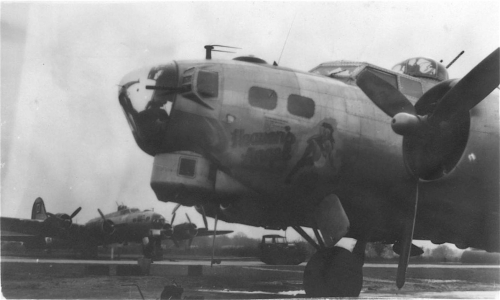
Our crew went to Lincoln, Nebraska and started our overseas training.  Once training was complete, we got on our B-17 and flew to Bangor, Maine.  When we left Nebraska, we had a G.I. mattress that we would sack out on in the waist of the plane and we found out that they were going to search the plane when we landed to see if we had any extra weapons that we weren’t supposed to have.  So, we decided we didn’t want them to find the mattress, and we pushed it out of the waist gunner window some place over Pennsylvania *laughs* I have no idea where it landed.  Life was a lot of fun back then.  From Maine, we flew to Goose Bay and were stuck there for 2 weeks.  It was 35 below zero and we were put in tar paper barracks with pot belly stoves at each end and one in the middle.  Those burned fuel oil.  The bay was frozen over and they couldn’t get fuel oil in too easy, so all we had was a flame as big as one you’d see coming from a cigarette lighter. That’s all that came out.  It was absolutely freezing! So we slept with our uniforms on and our sheep skin lined jackets and pants.  Every day we would go out and try to start the engines on our 17 with no success.  Finally we put some heaters on the engines and our pilot was able to crank them on.  Once it warmed up, we flew to Greenland.  It was Christmas Day 1944.  The mess officer had a huge meal set up for us and kept begging us to eat more and more.  We were stuffed!   The next day we flew to Iceland, where we had a crew photo taken.  I still have my copy of that photo.  We started a fire in the stove in the barracks we were assigned with wood pallets and got the fire going.  No sooner had we gotten in bed, when some guy came through yelling “Everybody out! Everybody out! You are taking off in 45 minutes!”  There were a lot of groans. When our plane was ready we took off and later landed in Scotland.  We took a train down to Thorpe Abbots.


Over target, when we flew our first mission, I don’t know how, but I put the bolt switches in backwards and I couldn’t hand charge them after we took off. You couldn’t take them off until you landed, so I told the pilot and he told me “Just point your guns at the enemy planes if any come into view, maybe you’ll scare them *laughs*   I was worried that we would get attacked from below, but luckily we didn’t.   We made it back okay.


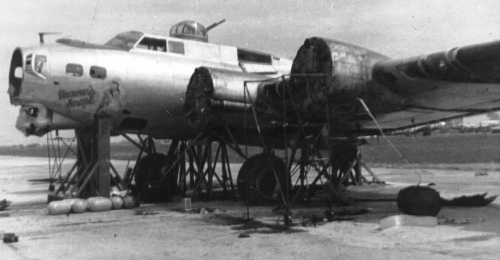
On the 2nd of February 1945 during our second bombing mission to Chemnitz, we had to belly land in Belgium.

We got by hit by some heavy flak and there was an 18 inch chunk taken out of the wing on one side and some other pieces of flak hit one of the engines and killed it.  Our pilot had it feathered and soon after that another one of our engines caught fire because of the flak.  Since that fire could cause the plane to explode, our pilot put us in a dive.  The quick change in altitude and air pressure caused the fire to go out.  By this time we were way out of formation and started flying lower and lower. We tried to get the landing gear out, but it wouldn’t go down.  I got up out of the ball turret and the tail gunner came up into the waist with me and the waist gunners. All 4 of us were looking around trying to spot somewhere to land.  The navigator and bombardier were up in the nose also looking out.  The plane continued to lose altitude and we went through the low clouds, which were heavy.  It was kind of scary there for a moment while we were getting lower because we didn’t know if there were any other planes from our group flying as low as we were.  It would have been terrible to have a mid air collision!


While this was all happening, we went off the air.  I’m not sure if the other planes in our squadron saw us falling out of formation or not, but our bomb group ended up listing us as missing in action for two or three days, until we were able to make contact.  We finally spotted the airfield that the Germans had held 2 weeks earlier, but there were metal posts driven into the ground and it was covered in bomb craters.  Finally we found a space 5 or 6 city blocks long.  The pilot told us to get in the radio room and lay down.  The 4 of us went up through the walkway in the bombay and laid down.  He set it down right at the end of this air strip and we skidded about 200 yards and the plane for some reason spun around and came to an abrupt stop.  We were all dazed and dumbfounded for a few minutes and so happy that we all landed safe and sound.  We were unsure if we were in friendly or enemy territory, so we drew our .45s and waited to see what would happen. That’s when this jeep came up toward us with about 9 or 10 G.I.’s hanging off of it, waving and hollering at us.  They came up and stopped and talked to us for a little bit. Man were we happy to see them! They were members of the 9th Air Force.  Eventually they brought us back to their living quarters. Two of the guys were living in the upstairs of a bombed out house.  Half of the house had been blown out, but the stair case was still holding and they stayed in the bedrooms upstairs.  I was with Robert Merrill, our radio operator, a good buddy who was also from Kentucky and we went up the stairs, cleaned up and shaved.  The guys from the 9th took us into Charleroi that night to a night club.  Our whole crew sat at the same table and other tables had civilians and Belgian soldiers.  They were all drinking cognac and at 19 years old I had never had cognac before and after I took some down I started feeling real woozy *laughs* I remember getting back to where we were supposed to be staying, but I slept on a wooden bench for a while.  The bench had dividers, but I laid on it anyways and being drunk I didn’t realize that it was that uncomfortable, but I guess it was.  We stayed there 3 days and they finally took us back to England.


On my 15th mission on the 17th of March over Plauen, a German ME-262 came in under our plane about 30 yards from me.  He was looking all around, but wasn’t looking up to where I was at in the ball turret.  I opened up on him with my .50s and my rounds set fire to his cockpit and as soon as I saw the fire I turned the turret to look for more planes coming in to attack our formation.  When I looked back, he was gone.  No one in our plane said they saw him, but I later heard that someone in another plane said they saw a pilot bail out of a 262, but I don’t know if it was the plane I had shot. So I just got credit for damage instead of shooting down an enemy plane.  I was the only one on my crew that ever received credit for damage.


Most of the time while we were on base, some of the crew would go to Ireland on leave.  I went to Norwich all the time because I had met a girlfriend there.  I can’t remember what kind of work she did, but to have fun we would go out to eat and things like that.  I remember going into this one restaurant and they had Welsh Rarebit and I thought it had said rabbit! When the waitress brought our food I found out that rarebit was a cheese sandwich. *laughs* I ate it anyway. I thought they had misspelled it!  Guys from our crew would go to the pub most of the time and normally it was myself, the radio operator and the tail gunner.  We would always go to this pub owned by a man named Henry White, an older man. He would play the piano and his wife would sing, but he couldn’t play very well and she wasn’t a very good singer *laughs* But they were very nice people.  Half a block down the street was a fish and chips place and we’d go there a lot as well! The fish would be wrapped up in old English newspaper, there’d be ink everywhere!  I don’t think I paid much attention to the ink though.


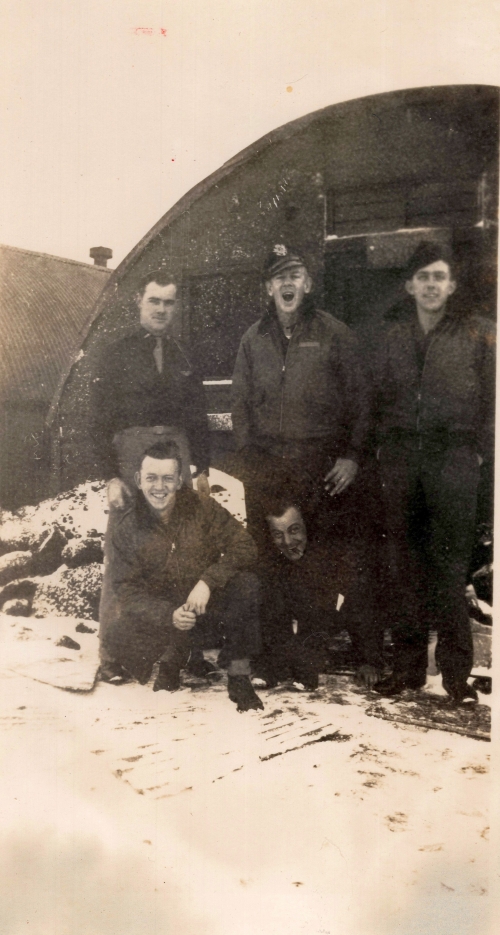
We lived in the barracks at Thorpe Abbots. Our quonset hut was right next to a field and there was a fence running down the back side of it and there was a brick lined trench that we would get in when the Germans came in for bombing raids on the nearby towns.  Sometimes we would sit in the windows of our barracks because they cranked out and we’d watch the bombing and the search lights would go on and every once in a while the anti-aircraft guys would blow up a German plane and we would cheer as if we were at a football game! I had a bicycle and sometimes I’d ride over to the NCO club and since I was a corporal and wasn’t supposed to be in there, a friend of mine who was a tech sergeant would give me one of his shirts with his stripes on it and I’d go into the NCO club! *laughs*   We were rationed on coal for the stoves we had and I remember going outside to get some coal with a bucket to keep our fire going.  I can remember when Major Rosenthal, our squadron commander, was captured the third time by the Germans and he had broken his arm.  When he came back to our base, he had no rank or insignia of any kind on his uniform and a private’s overcoat on because it was winter time and his arm was in a sling.  They told him he was going home and he said “No I’m not! I’m going to fly some more.” And they argued back and forth and they finally convinced him that he was going home.  He was given a B-17 to fly back to the states and before he left, he buzzed the field!  He wasn’t very high off the ground when he came by and I was standing right there watching! Major Rosenthal was something else!


There were a few missions where German ME-262’s would attack our bombing group and knock down a B-17, but then they’d take off and head after another group.  They wouldn’t hang around very long because our P-51’s would come in after them and strafe them.


On a few of the missions, I remember small pieces of flak rattling off of the ball turret.  It sounded like gravel hitting a tin roof.  I just hoped and prayed that it didn’t come on through and hit me.  Since the turret was metal with a little bit of glass, I felt relatively safe in there.  Nothing actually shook me up too much then because I was young, single and foolish.   Our tail gunner, Rudd Jewel, had a 20mm shell come up through the plexiglass right in front of his face barely missing him and as soon as that happened he held the intercom button down and was mumbling things that we couldn’t understand, he was scared to death.  I’m not sure if he had to change his underwear after that or what! *laughs* Other than that, I don’t think my crew got too excited about much!  It was just something we had to do.


The final mission I flew, on May 5, 1945, was a Chowhound mission to Valkenburg in South Holland.  It was our best mission because we were helping the Dutch people out and not trying to kill people.  We weren’t dropping bombs, but instead we were dropping food.  The Dutch were starving under German occupation. When we came in, we saw people riding bicycles, walking, running and waving their arms about following us to where we were going to make our drop.  They were yelling things to us, though naturally we couldn’t hear what they were saying.  I was in the ball turret on this mission, I had a great view, and I could watch the food fall all the way to the ground.  We were really really low, only 200-300 feet off the ground.  Even though the Germans still held this territory, it was agreed that they wouldn’t shoot us down.


In June of 1945 while I was still stationed at Thorpe Abbots, we received our orders to fly home.  We were sent home for a 30 day leave.  When I got home, it was August the 18th, my mother’s birthday.  It was a great birthday present for her.  I was glad to be home. Two days later on the 20th of August, I met the girl who would become my wife and asked her if she’d like to go out to eat and she said yes!  We went together every night after that.  I asked her if she wanted to marry me and she said yes.  We were married the following April.  The plan was to get married on my birthday, the 14th of April, but that was during Lent and she was Catholic and I wasn’t.  At that time I was also living in Chicago, so I started going to Catholic Church and the old priest there started giving me instructions.  I had to have a Godparent.  So I met a young guy by the name of Michael, whose dad was an inventor of small things and looked exactly like Einstein! *laughs* Michael went with me when I got baptized.  Right after that the priest said, “Well lets go on over to the bar and have a beer!” So that’s what we did.


Before I was baptized, I had moved up to Chicago to get a job since my town didn’t have many jobs.  You had to know somebody to be able to get a job back then.  I didn’t know many VIP’s too well, but I got a job with Rand McNally drawing a map of New York City and they hired 27 of us on the GI Bill and Rand McNally paid us so much and the government paid the difference.  Once we finished the map, they laid us all off. Talk about cheap labor! Following that I got a job with a furniture company and I did that for a while.  My wife and I got married in 1946 while I was there.


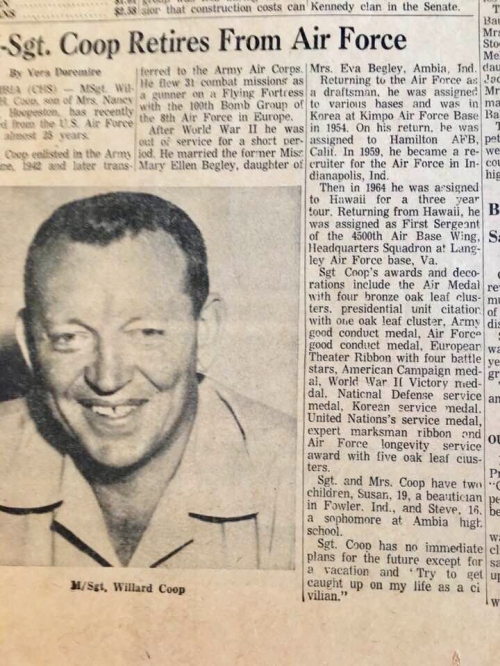
At that time I decided that civilian life wasn’t for me, so I reenlisted and got my rank back as a staff sergeant and went on and stayed in for 24 years, 9 months and 18 days. I got out in 1968 and retired as a Master Sergeant at Langly Air Force Base in Virginia."
Memo 2:
Article on Willard "Jack" Coop


http://www.bgdailynews.com/back-in-the-air-wwii-veteran-gets-ride-on-type/article_a69cb052-12a8-56a2-8a51-276d46db9514.html


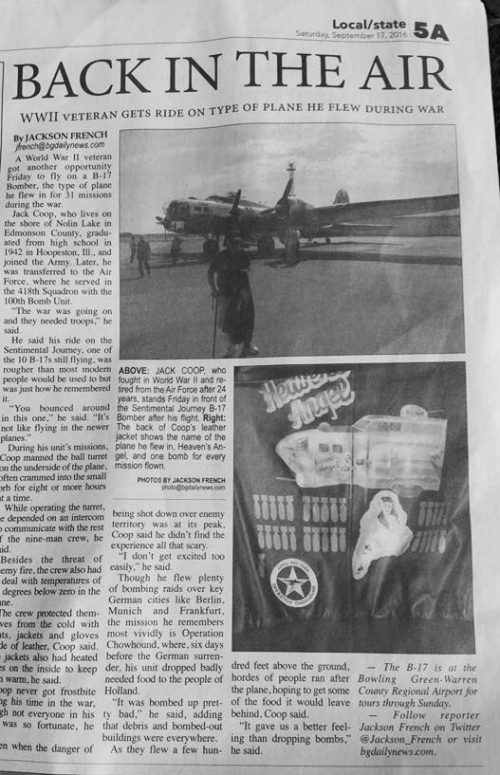
Back in the air: WWII veteran gets ride on type of plane he flew during war

        By JACKSON FRENCH jfrench@bgdailynews.com


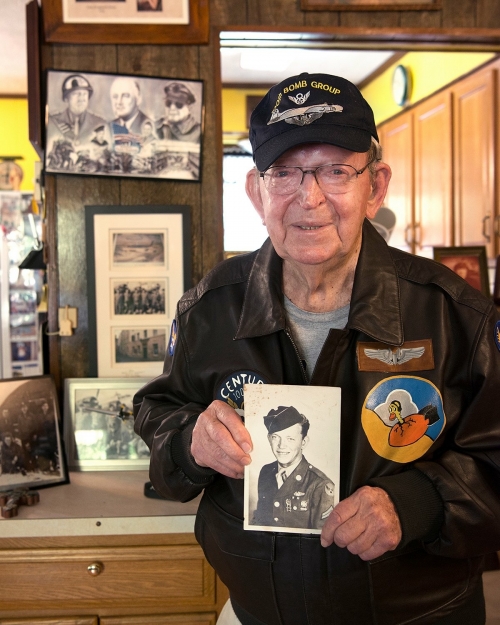
Jack Coop, who lives on the shore of Nolin Lake in Edmonson County, graduated from high school in 1942 in Hoopeston, Ill., and joined the Army. Later, he was transferred to the Air Force, where he served in the 418th Squadron with the 100th Bomb Unit.


"The war was going on and they needed troops," he said.


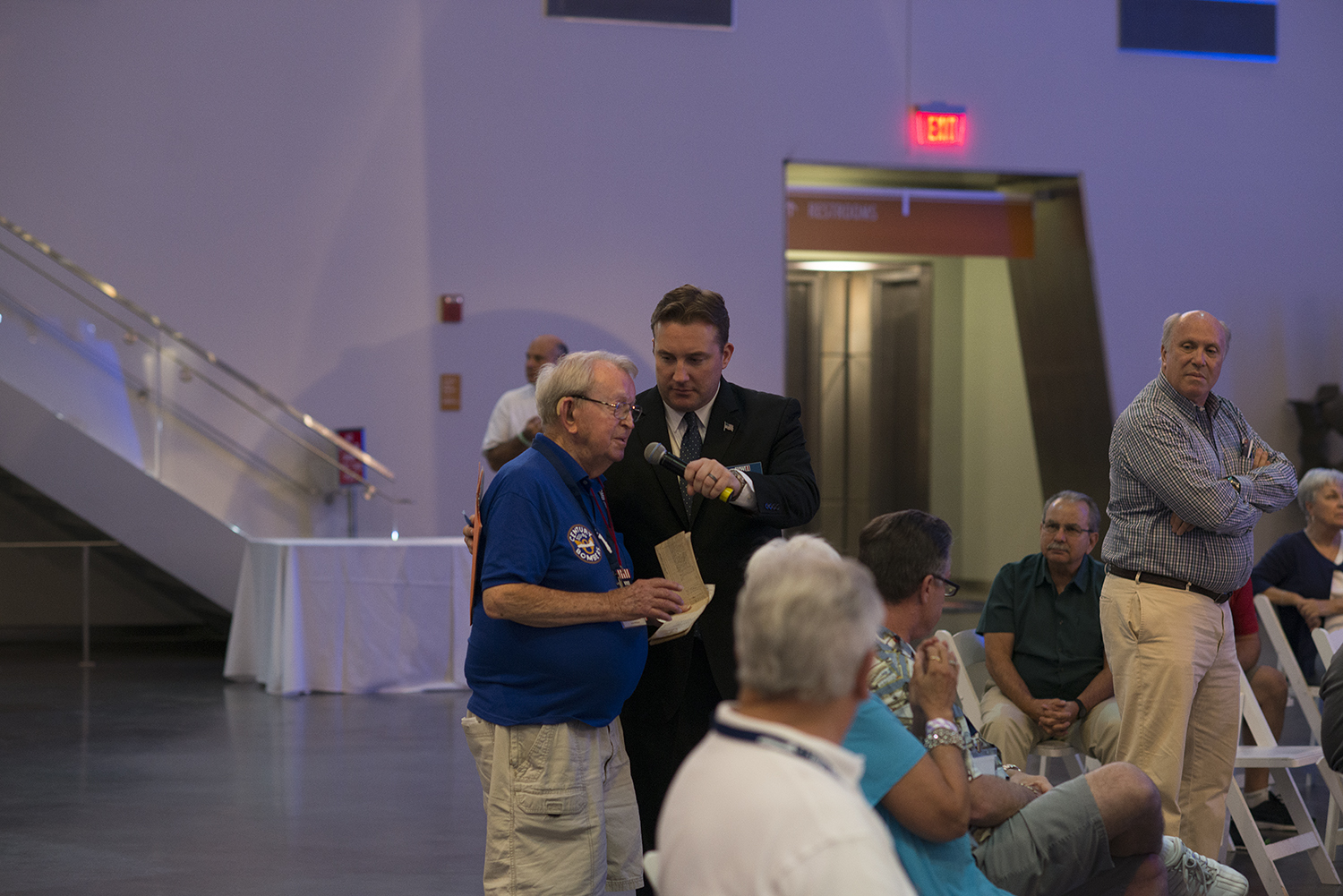
He said his ride on the Sentimental Journey, one of the 10 B-17s still flying, was rougher than most modern people would be used to but was just how he remembered it.


"You bounced around in this one," he said. "It's not like flying in the newer planes."


During his unit's missions, Coop manned the ball turret on the underside of the plane, often crammed into the small orb for eight or more hours at a time.


While operating the turret, he depended on an intercom to communicate with the rest of the nine-man crew, he said.


Besides the threat of enemy fire, the crew also had to deal with temperatures of 35 degrees below zero in the plane.


The crew protected themselves from the cold with pants, jackets and gloves made of leather, Coop said. The jackets also had heated wires on the inside to keep them warm, he said.


Coop never got frostbite during his time in the war, though not everyone in his unit was so fortunate, he said.


Even when the danger of being shot down over enemy territory was at its peak, Coop said he didn't find the experience all that scary.


"I don't get excited too easily," he said.


Though he flew plenty of bombing raids over key German cities like Berlin, Munich and Frankfurt, the mission he remembers most vividly is Operation Chowhound, where, six days before the German surrender, his unit dropped badly needed food to the people of Holland.


"It was bombed up pretty bad," he said, adding that debris and bombed-out buildings were everywhere.


As they flew a few hundred feet above the ground, hordes of people ran after the plane, hoping to get some of the food it would leave behind, Coop said.


"It gave us a better feeling than dropping bombs," he said.


***********************


AMERICA'S GREATEST HEROES INITIATIVE, STORIES OF SERVICE – TRIBUTE ANNOUNCEMENT.


Mr. JACK COOP

Branch of Service: The United States Army Air Corps (USAAC)

Place of Birth: Dale Hollow Lake Cumberland County, Kentucky


IN MY OWN WORDS: I was born April 14, 1924 near Dale Hollow Lake Cumberland County, Kentucky. I don’t remember any part of that because my parents moved to Hoopeston, Illinois when I was 5 months old and that’s where I grew up and went through grade school and high school.


As a kid I did the normal things, I played with my friends.  We didn’t have our heads stuck down in our cell phones like kids do these days, we didn’t have television, we had barely just gotten radio.  I remember tuning into the radio and you had to get down close to hear what they were saying.  I remember my family listened to the Jack Dempsey and Gene Tunney fight in 1927.


Dad would sit with his ear right next to the speaker and tell everyone what the announcer was saying about the fight.  When I was 5 years old, I got scarlet fever and my mother and I were quarantined in the house.  To keep his job as a janitor at the local high school, my dad set up a cot in the boiler room and stayed there.  He would come to the door at our house and my mother would tell him what kind of groceries were needed, he couldn’t come inside.  Then he would go buy the groceries and come back and set them on the porch and leave.  When he left, mom would go out and bring everything inside. I remember all my teachers’ names.  They were all women and couldn’t be married and the principal was the only man.


THE DEPRESSION

During the depression and dust bowl, my mother would hang clothes out on the line to dry and when she would go out to get them, they would still be dirty because of all the dust.  The dust was in the air all the time.  She would have to rewash the clothes and try and hang them inside the house so they would stay half way clean.  The street outside of our house was brick and the WPA was out redoing the street, they would dig the bricks up and flip them and place them back down.  There would be 10 men working and 10 watching and then they would switch and take brakes.  Jean Hixson lived across the street from me and I was a year and a half younger than her and her brother was younger than me.  We would all play together and build model airplanes.  Jean went on to serve as a WASP in World War Two and then later became the second woman to break the sound barrier in a flight over Lake Erie!


PEARL HARBOR

On December 7, 1941, I remember I was out hunting in the woods with a kid my age, his dad and another man.  We got back in the car to go to another field to hunt and they turned the radio on and we heard the announcement that the Japanese had attacked Pearl Harbor.  That didn’t even mean a thing to us because we had no idea where Pearl Harbor was! When I found out where Pearl Harbor was, I felt a lot different, yes, I was angry.


SERVE MY COUNTY

The next year, I was a senior in high school and myself and a friend of mine went down to Danville, Illinois and enlisted in the Marines and they sent us to Chicago to an examining station.  We were taking the physical and they accepted him, but didn’t accept me because they said I had a bad heart, a leakage of the heart.  So, I went back home and waited around 2 weeks.


I couldn’t stand it anymore, I had to do something, so I went back down and enlisted in the regular Army and they sent me back to the same examining station in Chicago, to the same doctors and they couldn’t find anything wrong with me! I told them, “Two weeks ago, you said I had a bad heart!”  They said, “Did you have breakfast that morning?” I couldn’t remember if I had or not and they said, “Well your stomach was probably making noises.”  That’s what they heard. Stethoscopes were not very good back then.  I was placed in field artillery and went through basic training with the field artillery unit.


After that I was sent to a tank destroyer outfit at Camp Bowie in Texas. Following that, I ended up taking a troop train to Fort Knox, Kentucky.  At that time, they had the cadet program, so I took the physical and mental and passed both and was sent to Kessler Field in Mississippi for Air Force basic training, which was a snap compared to the Army basic I had already taken.


My rank then was a technician 5th grade, like a corporal and we had other enlisted men that had been in the Army in that same outfit that came into the Air Corps.  My class got about 6 weeks ahead of me because I ended up with pneumonitis and I couldn’t catch up, so they wanted to know if I wanted to go back to my old outfit in the Army.  I told them that I didn’t want to drink powdered coffee or eat powdered eggs or sleep in a fox hole, I’d rather sleep in a bed and have fresh coffee, so I stayed in the Air Corps. They then told me that they didn’t have any T-5’s in the Air Corps and thus they made me a full-fledged corporal, which was alright with me!


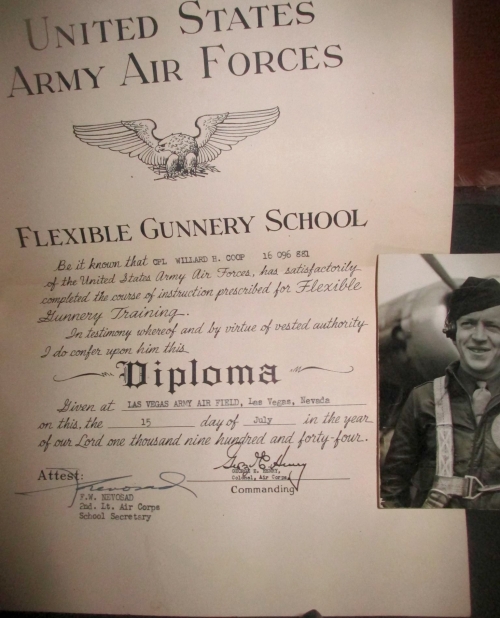
I was sent to Sioux Falls, South Dakota for radio operator training, but I didn’t want to be a radio operator.  They sent me through it twice and I flunked it on purpose both times.  Then they sent me to gunnery school in Las Vegas and I passed through it with flying colors.  I loved it, so I volunteered as a ball turret gunner and that’s when they formed our crew.   We would fly out over the Gulf of Mexico practicing with our guns and flying as a crew.


Getting in the ball turret for the first time…  I remember looking down and you could see a long way! It bothered me a little bit, but not too much.  Over the Gulf, we’d shoot at our shadow on the water.  We also would shoot at targets that WASP pilots would tow behind them.  At that time, I also had a girlfriend who I knew from home, she was just across the state line from me, but her parents ended up moving to South Bend and she became a disc jockey up there and at night while we flew training missions, she would dedicate songs to us since we could tune into the radio station she was on while we were flying.  She got the names of all the guys in our crew and wrote a poem about us and it’s been published in the gunner’s magazine.


EUROPE HERE WE COME

Our crew went to Lincoln, Nebraska and started our overseas training.  Once training was complete, we got on our B-17 and flew to Bangor, Maine.  When we left Nebraska, we had a G.I. mattress that we would sack out on in the waist of the plane and we found out that they were going to search the plane when we landed to see if we had any extra weapons that we weren’t supposed to have.  So, we decided we didn’t want them to find the mattress, and we pushed it out of the waist gunner window some place over Pennsylvania *laughs* I have no idea where it landed.  Life was a lot of fun back then.


From Maine, we flew to Goose Bay and were stuck there for 2 weeks.  It was 35 below zero and we were put in tar paper barracks with pot belly stoves at each end and one in the middle.  Those burned fuel oil.  The bay was frozen over and they couldn’t get fuel oil in too easy, so all we had was a flame as big as one you’d see coming from a cigarette lighter. That’s all that came out.  It was absolutely freezing! So we slept with our uniforms on and our sheep skin lined jackets and pants.  Every day we would go out and try to start the engines on our 17 with no success.


Finally, we put some heaters on the engines and our pilot could crank them on.  Once it warmed up, we flew to Greenland.  It was Christmas Day 1944.  The mess officer had a huge meal set up for us and kept begging us to eat more and more.  We were stuffed!   The next day we flew to Iceland, where we had a crew photo taken.  I still have my copy of that photo.  We started a fire in the stove in the barracks we were assigned with wood pallets and got the fire going.  No sooner had we gotten in bed, when some guy came through yelling “Everybody out! Everybody out! You are taking off in 45 minutes!”  There were a lot of groans. When our plane was ready we took off and later landed in Scotland.  We took a train down to Thorpe Abbots.


FIRST MISSION

Over target, when we flew our first mission, I don’t know how, but I put the bolt switches in backwards and I couldn’t hand charge them after we took off. You couldn’t take them off until you landed, so I told the pilot and he told me “Just point your guns at the enemy planes if any come into view, maybe you’ll scare them *laughs*   I was worried that we would get attacked from below, but luckily we didn’t.   We made it back okay.


On the 2nd of February 1945 during our second bombing mission to Chemnitz, we had to belly land in Belgium. We got by hit by some heavy flak and there was an 18-inch chunk taken out of the wing on one side and some other pieces of flak hit one of the engines and killed it.  Our pilot had it feathered and soon after that another one of our engines caught fire because of the flak.  Since that fire could cause the plane to explode, our pilot put us in a dive.  The quick change in altitude and air pressure caused the fire to go out.  By this time, we were way out of formation and started flying lower and lower. We tried to get the landing gear out, but it wouldn’t go down.  I got up out of the ball turret and the tail gunner came up into the waist with me and the waist gunners. All 4 of us were looking around trying to spot somewhere to land.


The navigator and bombardier were up in the nose also looking out.  The plane continued to lose altitude and we went through the low clouds, which were heavy.  It was kind of scary there for a moment while we were getting lower because we didn’t know if there were any other planes from our group flying as low as we were.  It would have been terrible to have a mid-air collision!


While this was all happening, we went off the air.  I’m not sure if the other planes in our squadron saw us falling out of formation or not, but our bomb group ended up listing us as missing in action for two or three days, until we could make contact.  We finally spotted the airfield that the Germans had held 2 weeks earlier, but there were metal posts driven into the ground and it was covered in bomb craters.


Finally, we found a space 5 or 6 city blocks long.  The pilot told us to get in the radio room and lay down.  The 4 of us went up through the walkway in the Bombay and laid down.  He set it down right at the end of this air strip and we skidded about 200 yards and the plane for some reason spun around and came to an abrupt stop.  We were all dazed and dumbfounded for a few minutes and so happy that we all landed safe and sound.  We were unsure if we were in friendly or enemy territory, so we drew us .45s and waited to see what would happen. That’s when this jeep came up toward us with about 9 or 10 G.I.’s hanging off it, waving and hollering at us.  They came up and stopped and talked to us for a little bit. Man, were we happy to see them! They were members of the 9th Air Force.  Eventually they brought us back to their living quarters. Two of the guys were living in the upstairs of a bombed-out house.


Half of the house had been blown out, but the stair case was still holding and they stayed in the bedrooms upstairs.  I was with Robert Merrill, our radio operator, a good buddy who was also from Kentucky and we went up the stairs, cleaned up and shaved.  The guys from the 9th took us into Charleroi that night to a night club.  Our whole crew sat at the same table and other tables had civilians and Belgian soldiers.  They were all drinking cognac and at 19 years old I had never had cognac before and after I took some down I started feeling real woozy *laughs* I remember getting back to where we were supposed to be staying, but I slept on a wooden bench for a while.  The bench had dividers, but I laid on it anyways and being drunk I didn’t realize that it was that uncomfortable, but I guess it was.  We stayed there 3 days and they finally took us back to England.


On my 15th mission on the 17th of March over Plauen, a German ME-262 came in under our plane about 30 yards from me.  He was looking all around, but wasn’t looking up to where I was at in the ball turret.  I opened up on him with me .50s and my rounds set fire to his cockpit and as soon as I saw the fire I turned the turret to look for more planes coming in to attack our formation.  When I looked back, he was gone.  No one in our plane said they saw him, but I later heard that someone in another plane said they saw a pilot bail out of a 262, but I don’t know if it was the plane I had shot. So, I just got credit for damage instead of shooting down an enemy plane.  I was the only one on my crew that ever-received credit for damage.


Most of the time while we were on base, some of the crew would go to Ireland on leave.  I went to Norwich all the time because I had met a girlfriend there.  I can’t remember what kind of work she did, but to have fun we would go out to eat and things like that.  I remember going into this one restaurant and they had Welsh Rarebit and I thought it had said rabbit! When the waitress brought our food, I found out that rarebit was a cheese sandwich. *laughs* I ate it anyway. I thought they had misspelled it!


Guys from our crew would go to the pub most of the time and normally it was myself, the radio operator and the tail gunner.  We would always go to this pub owned by a man named Henry White, an older man. He would play the piano and his wife would sing, but he couldn’t play very well and she wasn’t a very good singer *laughs* But they were very nice people.  Half a block down the street was a fish and chips place and we’d go there a lot as well! The fish would be wrapped up in old English newspaper, there’d be ink everywhere!  I don’t think I paid much attention to the ink though.


We lived in the barracks at Thorpe Abbots. Our quonset hut was right next to a field and there was a fence running down the back side of it and there was a brick lined trench that we would get in when the Germans came in for bombing raids on the nearby towns.  Sometimes we would sit in the windows of our barracks because they cranked out and we’d watch the bombing and the search lights would go on and occasionally, the anti-aircraft guys would blow up a German plane and we would cheer as if we were at a football game! I had a bicycle and sometimes I’d ride over to the NCO club and since I was a corporal and wasn’t supposed to be in there, a friend of mine who was a tech sergeant would give me one of his shirts with his stripes on it and I’d go into the NCO club! *laughs*


We were rationed on coal for the stoves we had and I remember going outside to get some coal with a bucket to keep our fire going.  I can remember when Major Rosenthal, our squadron commander, was captured the third time by the Germans and he had broken his arm.  When he came back to our base, he had no rank or insignia of any kind on his uniform and a private’s overcoat on because it was winter time and his arm was in a sling.  They told him he was going home and he said “No I’m not! I’m going to fly some more.” And they argued back and forth and they finally convinced him that he was going home.  He was given a B-17 to fly back to the states and before he left, he buzzed the field!  He wasn’t very high off the ground when he came by and I was standing right there watching! Major Rosenthal was something else!


There were a few missions where German ME-262’s would attack our bombing group and knock down a B-17, but then they’d take off and head after another group.  They wouldn’t hang around very long because our P-51’s would come in after them and strafe them.


On a few of the missions, I remember small pieces of flak rattling off the ball turret.  It sounded like gravel hitting a tin roof.  I just hoped and prayed that it didn’t come on through and hit me.  Since the turret was metal with a little bit of glass, I felt relatively safe in there.  Nothing shook me up too much then because I was young, single and foolish.   Our tail gunner, Rudd Jewel, had a 20mm shell come up through the Plexiglas right in front of his face barely missing him and as soon as that happened he held the intercom button down and was mumbling things that we couldn’t understand, he was scared to death.  I’m not sure if he had to change his underwear after that or what! *laughs* Other than that, I don’t think my crew got too excited about much!  It was just something we had to do.


The final mission I flew, on May 5, 1945, was a Chowhound mission to Valkenburg in South Holland.  It was our best mission because we were helping the Dutch people out and not trying to kill people.  We weren’t dropping bombs, but instead we were dropping food.  The Dutch were starving under German occupation. When we came in, we saw people riding bicycles, walking, running and waving their arms about following us to where we were going to make our drop.  They were yelling things to us, though naturally we couldn’t hear what they were saying.  I was in the ball turret on this mission, I had a great view, and I could watch the food fall all the way to the ground.  We were low, only 200-300 feet off the ground.  Even though the Germans still held this territory, it was agreed that they wouldn’t shoot us down.


In June of 1945 while I was still stationed at Thorpe Abbots, we received our orders to fly home.  We were sent home for a 30-day leave.  When I got home, it was August the 18th, my mother’s birthday.  It was a great birthday present for her.  I was glad to be home.


Two days later the 20th of August, I met the girl who would become my wife and asked her if she’d like to go out to eat and she said yes!  We went together every night after that.  I asked her if she wanted to marry me and she said yes.  We were married the following April.  The plan was to get married on my birthday, the 14th of April, but that was during Lent and she was Catholic and I wasn’t.


At that time, I was also living in Chicago, so I started going to Catholic Church and the old priest there started giving me instructions.  I had to have a Godparent.  So, I met a young guy by the name of Michael, whose dad was an inventor of small things and looked exactly like Einstein! *laughs* Michael went with me when I got baptized.  Right after that the priest said, “Well let’s go on over to the bar and have a beer!” So, that’s what we did.


Before I was baptized, I had moved up to Chicago to get a job since my town didn’t have many jobs.  You had to know somebody to be able to get a job back then.  I didn’t know many VIP’s too well, but I got a job with Rand McNally drawing a map of New York City and they hired 27 of us on the GI Bill and Rand McNally paid us so much and the government paid the difference.


Once we finished the map, they laid us all off. Talk about cheap labor! Following that I got a job with a furniture company and I did that for a while.  My wife and I got married in 1946 while I was there. At that time, I decided that civilian life wasn’t for me, so I reenlisted and got my rank back as a staff sergeant and went on and stayed in for 24 years, 9 months and 18 days. I got out in 1968 and retired as a Master Sergeant at Langly Air Force Base in Virginia.  Story submitted by Patrick McCue,


If you would like to nominate a veteran for our tribute or memorial wall, please submit a biography and images to TGGF today.


#bbc #airforce #veterans #usa #love #family #goodbye #flying #tggf #greatclips #chive #neverforget #maps #chicago

#waves #navy #army #USMC #airforce #coastguard


Remember Those Who Served

The Greatest Generations Foundation

Website: www.TGGF.org | Email: info@TGGF.org
Photos
Click here to see album - 15 items
Click here to see album - 15 items
Click here to see album - 15 items
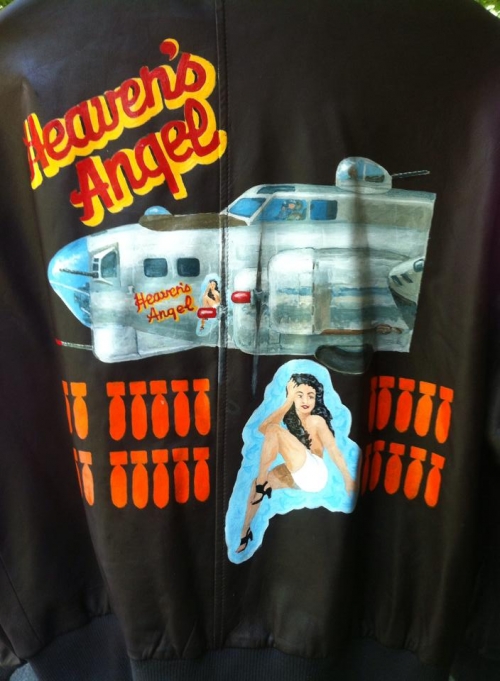
Click here to see album - 15 items
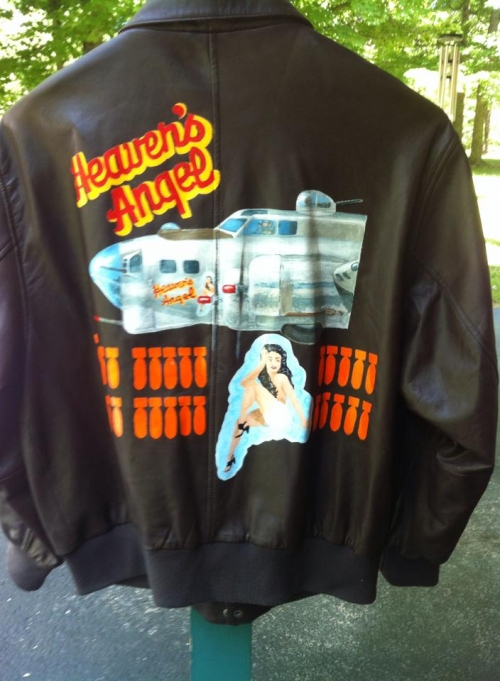
Click here to see album - 15 items

Click here to see album - 15 items
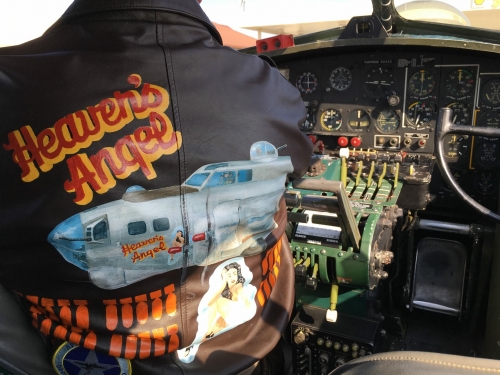
Click here to see album - 15 items
Click here to see album - 15 items
Click here to see album - 15 items
Click here to see album - 15 items
Click here to see album - 15 items
Click here to see album - 15 items
Click here to see album - 15 items
Click here to see album - 15 items
Click here to see album - 15 items
Click here to see album - 11 items
Click here to see album - 11 items
Click here to see album - 11 items
Click here to see album - 11 items
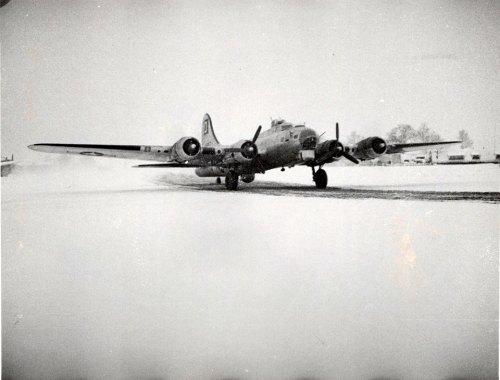
Click here to see album - 11 items
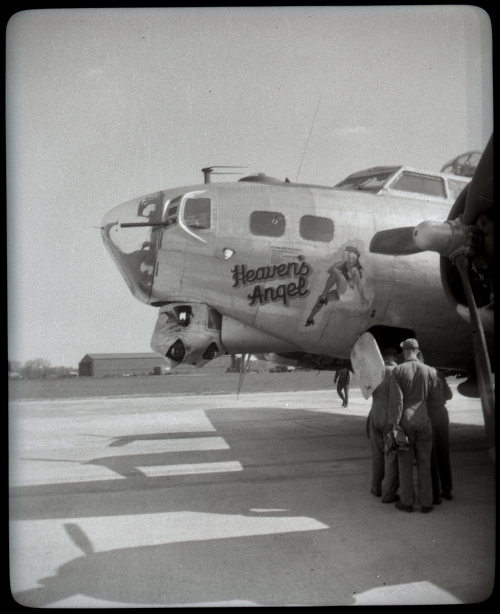
Click here to see album - 11 items
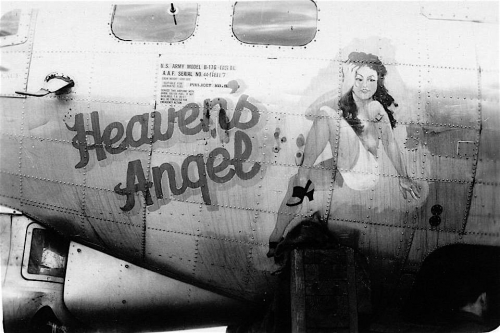
Click here to see album - 11 items
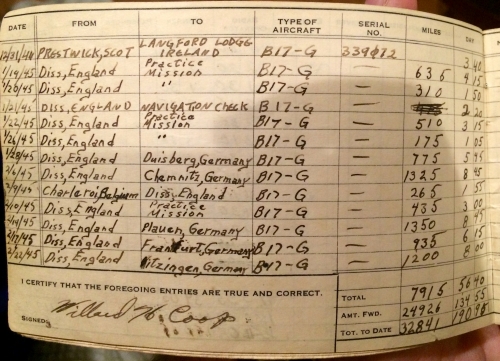
Click here to see album - 11 items
Click here to see album - 11 items
Click here to see album - 11 items
Click here to see album - 11 items
Crew List
1st Crew List
Use your thumb to scroll through the results box below.
| Rank | Name | Pos | Status |
|---|---|---|---|
| LT | EVANS, Robert E. | P | FEH |
| LT | BRATTON, Robert J. | CP | FEH |
| LT | MCMILLIN, Billie | NAV | FEH |
| LT | ZAKRZEWSKI, Stephen T. | BOM | FEH |
| T/Sgt | BULLIS, Reginald V. | TTE | FEH |
| S/SGT | MERRILL, Robert A. | ROG | FEH |
| S/SGT | COOP, Willard H. | BTG | FEH |
| S/SGT | PARSONS, Robert R. | WG | FEH |
| S/Sgt | RUDD, Juel E. | TG | FEH |